
Cracks in a brick façade and dangerous falling bricks

Who can I claim against for the cracks that have appeared in my building’s façade?
Enquiry: I am the president of a homeowners’ association with 9 blocks. For the past 2 years bricks have been falling from the façade (exposed brick), especially around the expansion joints. On top of that, some huge cracks have opened up at the corners of the blocks, running the full height of the façade. We have complained to the building contractor and it has repaired a few things, but we can see more and more bricks coming loose, and some neighbours are even complaining that hairline cracks or splits have appeared inside their homes. What should we do to get the contractor to repair the façades?Answer: The first thing is to be clear about how old the buildings are, since, depending on the date of the Certificate of Completion, the building may or may not still be under guarantee for the purposes of making a claim. If it is less than 3 years old, the falling bricks and cracks are considered habitability defects, so all the parties involved in the construction (that is, the developer, building contractor, architect and quantity surveyor) will be liable, each according to their respective responsibilities. The cracks may be more serious than initially thought and may affect the structure of the buildings, owing to excessive deflection of the floor slabs. If so, we would be dealing with structural defects, which have a 10-year guarantee, the architect being the party mainly responsible. And if more than 10 years have already passed since the works were completed, the developer may be liable for breach of contract. In other words, the dates are crucial. It is very important to locate the Certificate of Completion or the handover certificate, since that is the document from which the building’s guarantees run. However, the most important and necessary thing is to obtain an expert report, which will determine the origin of the damage and its seriousness, as well as how the repairs should be done and what they will cost. To bring a court claim, a number of documents will then be needed, such as the deeds, the construction project, the geotechnical surveys, etc. But it is essential to have a prior and accurate diagnosis of what is happening.
 As for the falling bricks, since they may be dangerous to passers-by, both owners and third parties, it is highly advisable to take preventive measures, such as installing protective netting, or clamps on low walls to hold them in place, especially on the roof parapets.
Only once the expert report has been completed will a lawsuit be prepared against the parties involved in the construction who are liable, in order to demand and compel them to repair the construction defects.
Related articles
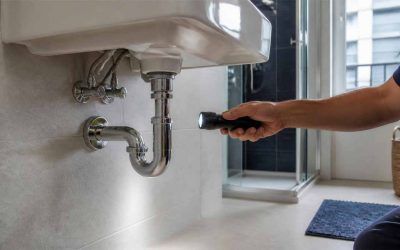
Drain smells and home drainage systems: why your home smells of sewage and how to claim if it is a new build
A sewage smell at home is one of the most unpleasant problems a property can have. It causes real concern because it is seen as something difficult to fix. That is not quite the case, but when it appears in the bathroom, in the kitchen or next to the washing machine,...
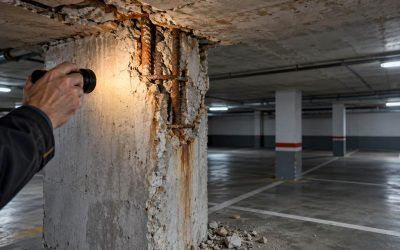
Structural Damage and Building Pathologies: What They Are, Examples and How to Claim Against the Building Contractor or Developer
A crack that widens every winter, a door that suddenly no longer closes, a floor slab that sags or a garage with spalling concrete and exposed reinforcement. Behind many of these symptoms lie structural damage and building pathologies: defects that originate in the...
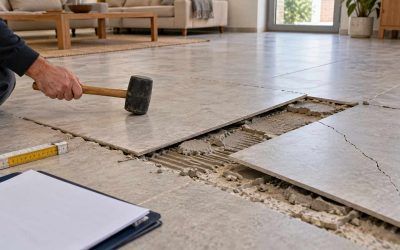
Building contractor ordered to pay over €25,000 for defective flooring in a home
The Civil Division of the Court of First Instance of Jaén (Tribunal de Instancia, Plaza nº 3) has handed down Judgment no. 396/2026, dated 29 September 2026, fully upholding the claim brought by the owners of a home against the building contractor responsible for the...
DON’T HESITATE TO CONSULT US!
CUSTOM BUDGETS

0 Comments