
Damp problems in garages

The problem of damp caused by water ingress
Damp caused by water ingress in buildings comes from roofs, courtyards or terraces, or even through the walls. Here we will focus on damp caused by lateral water ingress in the basements or garages of buildings, both old and modern, with a concrete structure.

Flooded garage
Even when the correct construction techniques are used, we may encounter a series of problems caused by factors such as a high water/cement ratio, poor compaction, badly placed joint strips, shrinkage cracks or differential settlement, which lead to water ingress.
Damp caused by water ingress is made worse by the presence of groundwater, accidental water leaks from burst pipes, chemical attack on the concrete, etc.
The consequence is none other than structural degradation, rusting of the steel reinforcement, the breakdown of the render (the layer of mortar used to coat a wall), water entering the building and, of course, an unhealthy environment for people; in other words, these are construction defects that cause very serious problems.
The problem of rising damp
Rising damp occurs in walls that have not been properly insulated, with moisture rising from the subsoil. This moisture rises through pores and capillaries and finally evaporates into the atmosphere.
Water from the subsoil contains dissolved salts, so as the water evaporates the salts crystallise and are deposited in the render, which as a result deteriorates, as does the paint.
Many methods have been tried to conceal and prevent this type of damp by attempting to waterproof the walls and their surface. At best, they manage to hide the damp temporarily, but the real consequence is none other than a chimney effect that draws the damp even higher up the wall.
This does not solve the problem of damp in floors and walls; on the contrary, it makes it worse and makes the solution more expensive, because the problem has to be tackled all over again.
If your home or homeowners’ association suffers from damp caused by water ingress or rising damp, whether in homes, garages or other communal areas, you should know that this is a serious and costly construction defect. Get advice from expert architects and lawyers: ask us, with no obligation, about the steps to take, the costs and the legal viability of a claim.
Related articles
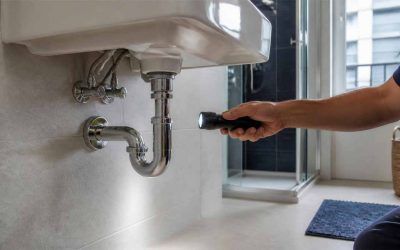
Drain smells and home drainage systems: why your home smells of sewage and how to claim if it is a new build
A sewage smell at home is one of the most unpleasant problems a property can have. It causes real concern because it is seen as something difficult to fix. That is not quite the case, but when it appears in the bathroom, in the kitchen or next to the washing machine,...
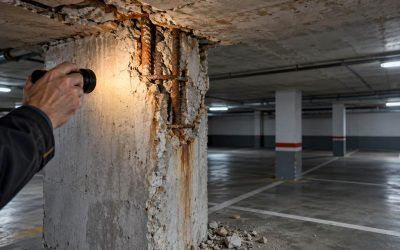
Structural Damage and Building Pathologies: What They Are, Examples and How to Claim Against the Building Contractor or Developer
A crack that widens every winter, a door that suddenly no longer closes, a floor slab that sags or a garage with spalling concrete and exposed reinforcement. Behind many of these symptoms lie structural damage and building pathologies: defects that originate in the...
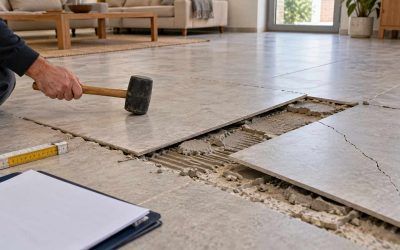
Building contractor ordered to pay over €25,000 for defective flooring in a home
The Civil Division of the Court of First Instance of Jaén (Tribunal de Instancia, Plaza nº 3) has handed down Judgment no. 396/2026, dated 29 September 2026, fully upholding the claim brought by the owners of a home against the building contractor responsible for the...
DON’T HESITATE TO CONSULT US!
CUSTOM BUDGETS

0 Comments