
Blaming the owner for mould and fungus

Blaming homeowners for the mould and fungus in their home is a disgrace
In cold places, PVC or aluminium window frames with double glazing are very important, and very common.
The recurring defects consist of damp appearing on walls due to water ingress between the PVC windows and the surrounding masonry.
In many cases, they occur «through water ingress between the external joinery and the building envelope, with the resulting appearance of stains and mould and the deterioration and detachment of interior finishes». (We have photographed a whole range of such damage, including variants such as air leaks, and other assorted defects such as unhealthy conditions and bad smells).
What is the response in court from those responsible? That they are due to a sealing defect (a matter relating to the execution of the works) and to lack of maintenance (because the sealant can wear away over time, they say). But this damage is not really an isolated case affecting one home; it is widespread and recurs in many homes in the same building.
- In a home, watertightness plays an important role, since proper waterproofing of the walls prevents water ingress into the interiorand the resulting growth of fungus and mould (unhealthy blackish stains on walls). The liability for this damage lies with the architect and the quantity surveyor.
The architect, for failing to provide a correct construction solution in the design, having relied entirely on the mere application of a PVC “sealant” for watertightness. But the architect should not have stopped there; they had to offer construction solutions to prevent water ingress and include them in the design.
The design must provide for measures to prevent rainwater ingress, because a simple PVC “sealant”, by its very simplicity and nature, disappears over time and is wholly insufficient.
The quantity surveyor is also liable because, even if watertightness and water run-off tests were carried out at the time, they cannot have been done properly, since the damp evidently appeared. Now comes the worst part:
On our visits to homes with this damage, we have often found the occupants resigned to it, because they have been made to feel it is their own fault (a false and planted notion, it should be said): that the mould is due to a lack of ventilation in the home (according to what they were told by the developer, the site management team or the building contractor). Blaming the suffering occupants, who have to put up with the cold and unhealthy conditions, is a disgrace.
If you have this or a similar problem, do not hesitate to contact us.
Related articles
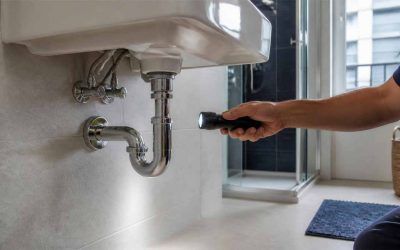
Drain smells and home drainage systems: why your home smells of sewage and how to claim if it is a new build
A sewage smell at home is one of the most unpleasant problems a property can have. It causes real concern because it is seen as something difficult to fix. That is not quite the case, but when it appears in the bathroom, in the kitchen or next to the washing machine,...
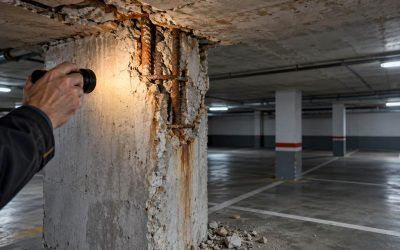
Structural Damage and Building Pathologies: What They Are, Examples and How to Claim Against the Building Contractor or Developer
A crack that widens every winter, a door that suddenly no longer closes, a floor slab that sags or a garage with spalling concrete and exposed reinforcement. Behind many of these symptoms lie structural damage and building pathologies: defects that originate in the...
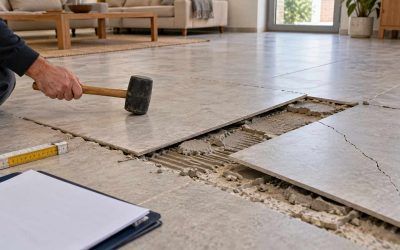
Building contractor ordered to pay over €25,000 for defective flooring in a home
The Civil Division of the Court of First Instance of Jaén (Tribunal de Instancia, Plaza nº 3) has handed down Judgment no. 396/2026, dated 29 September 2026, fully upholding the claim brought by the owners of a home against the building contractor responsible for the...
DON’T HESITATE TO CONSULT US!
CUSTOM BUDGETS

0 Comments